Maria Island Tours

Day Tours from Hobart to Maria Island

Popular Tours

Exploring Maria Island National Park

Exploring Maria Island National Park

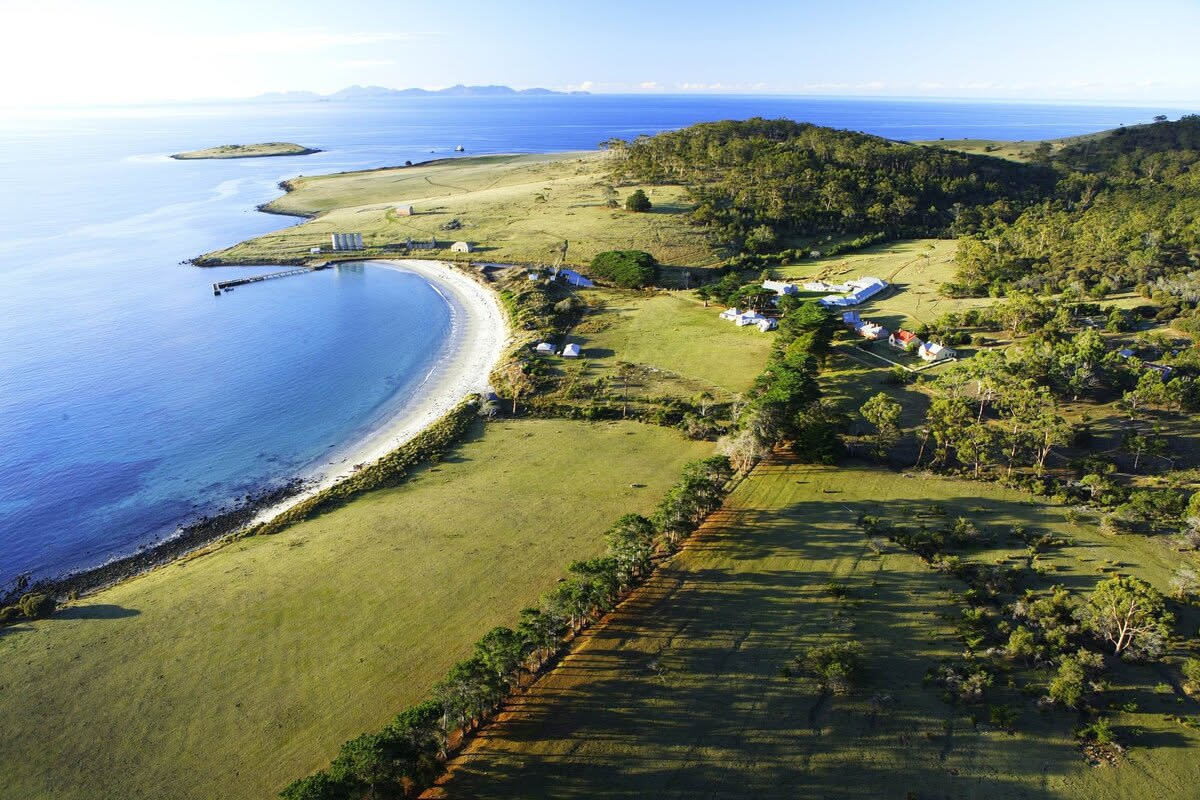
Discover the unique blend of history, wildlife, and natural beauty at Maria Island National Park, Tasmania's only island national park.

Location and Access

Maria Island National Park is located off the east coast of Tasmania, Australia. The island is accessible only by a 30-minute ferry ride from Triabunna. The ferry operates daily, and advance bookings are recommended. A valid National Parks pass is required for entry.

Wildlife and Nature

Maria Island is a haven for wildlife enthusiasts. It is home to wombats, pademelons, Forester Kangaroos, Bennetts wallabies, and Tasmanian Devils. Bird watchers can spot many Tasmanian endemics, including the rare forty-spotted pardalote. The surrounding waters are rich with marine life, including seals and whales.

Darlington Township

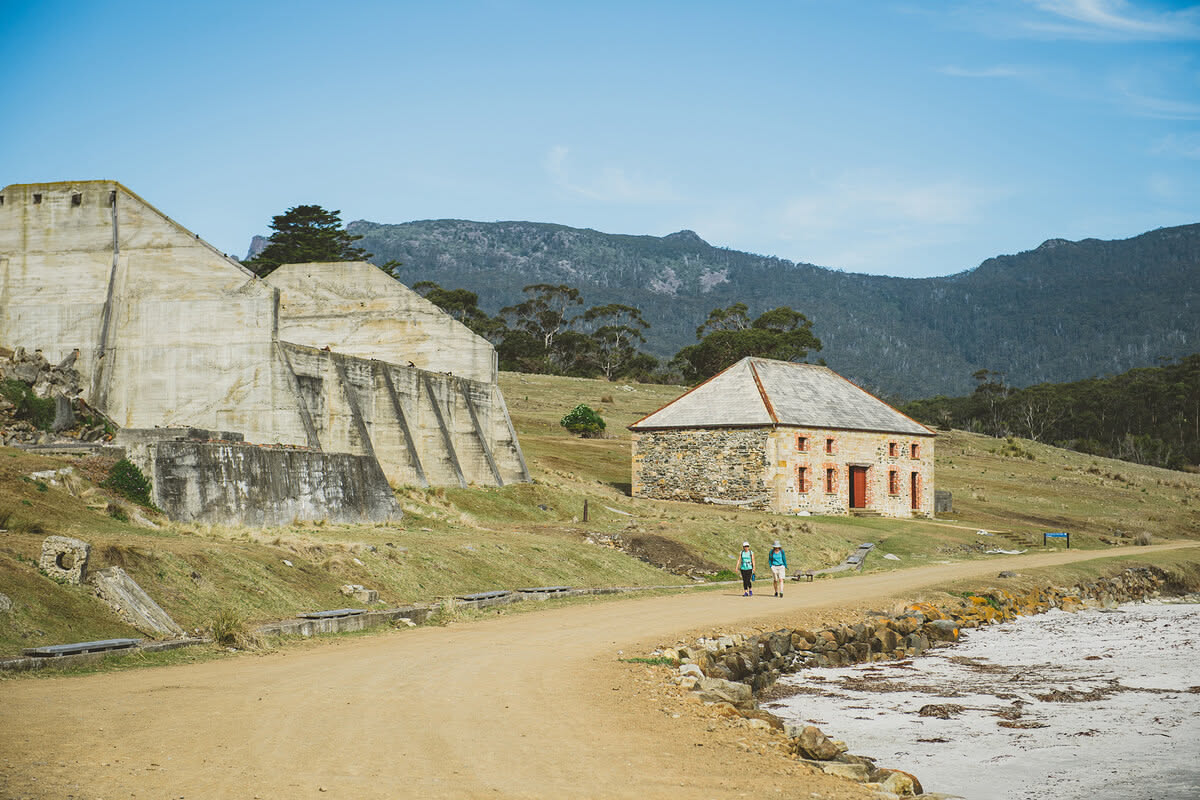
Darlington is the only town on Maria Island, located near the northern tip. It features several historic buildings and serves as the starting point for most walking trails. The Commissariat Store, now a visitor center, and the old Penitentiary, offering basic accommodation, are notable sites.

Activities

Hiking and Walking

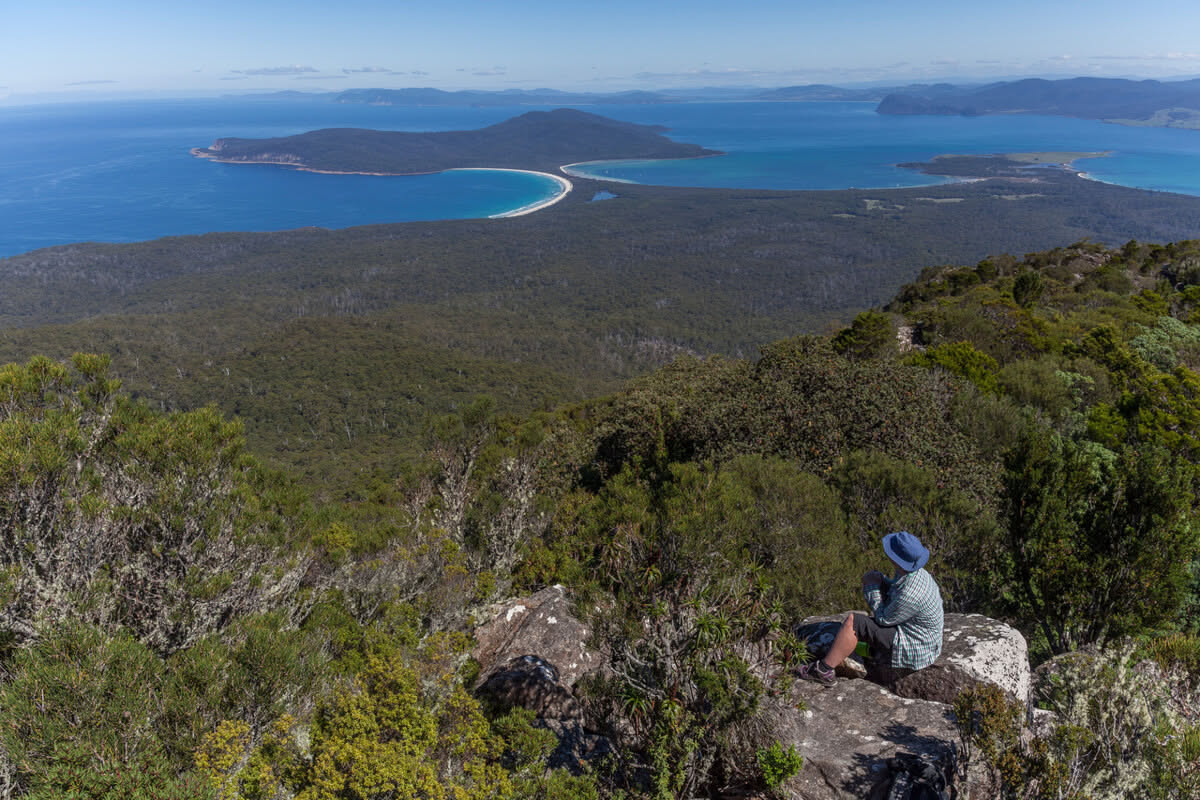
The island offers a range of walking trails, from short strolls to challenging hikes like the climb to Mount Maria. Most trails start from Darlington.

Biking

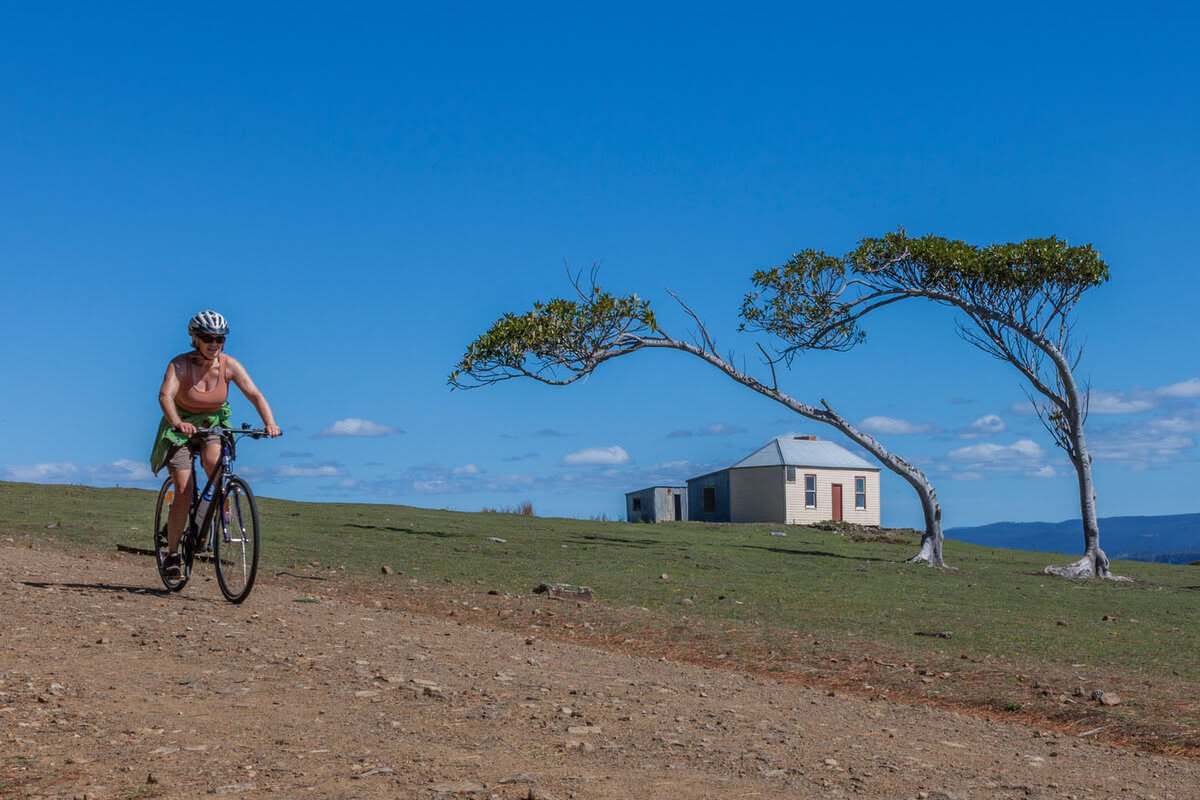
Biking is a popular way to explore the island. Bikes can be rented in Darlington, and all roads are accessible to cyclists. However, biking is not allowed on walking tracks.

Accommodation

Visitors can stay in the Penitentiary at Darlington, which offers bunkhouse-style accommodation. Booking in advance is necessary. Camping is also available near Darlington Bay Beach.

Seasonal Guide

Spring (September to November) is ideal for wildlife viewing. Summer (December to February) is peak season with warm weather. Autumn (March to May) offers a quieter experience with beautiful fall colors. Winter (June to August) is the off-season, with fewer visitors and cooler weather.

Important Information

All visitors need a valid parks pass, which can be purchased online. Drinking water on the island requires purification. There is no vehicle access, so plan to explore on foot or by bike.
Getting Around Maria Island: A Guide for Visitors

Getting Around Maria Island: A Guide for Visitors

Discover the best ways to explore Maria Island, whether on foot or by bike, and enjoy its natural beauty.

Getting Around

Maria Island is a vehicle-free zone, which means you can explore it by walking or biking. This makes for a peaceful and eco-friendly experience.

Walking

Most major sites are within an hour's walk from Darlington and the ferry. Whether you prefer a casual stroll around Darlington or a more challenging hike to the summit of Mount Maria, there are options for all levels of ability. You can choose from short walks, day walks, or even overnight walks.

Biking

Biking is a great way to see more of Maria Island quickly. You can bike on all roads, but not on walking tracks. You have the option to bring your own bike or rent one on the island. It's a good idea to reserve a bike online before you go. Remember, Tasmanian law requires you to wear a bike helmet.

Walking Trails of Maria Island

Walking Trails of Maria Island

Discover the diverse walking trails of Maria Island, ranging from easy strolls to challenging hikes, each offering unique insights into the island's history and natural beauty.

Maria Island offers a variety of walking trails, each providing a unique experience of the island's natural beauty and historical significance. Here is an overview of the available walks:

Darlington Township Walk

Distance: 1 km

Duration: 1-2 hours

Grade: Moderate

Explore the fascinating Darlington Township with a self-guided tour. This walk takes you through buildings and ruins, offering insights into the island's history from convict stations to entrepreneurial ventures. Sturdy footwear is recommended due to uneven terrain.

Bishop And Clerk

Distance: 11 km return

Duration: 4-5 hours

Grade: Difficult

This challenging walk provides exhilarating views from the summit of the Bishop and Clerk. The trail involves steep sections and rock scrambling, making it suitable for experienced walkers. The summit offers magnificent views but should be avoided in windy conditions.

Encampment Cove Walk

Distance: 13 km one way

Duration: 4 hours

Grade: Moderate

Visit the ruins of a 1920s home at Encampment Cove. This area is ideal for camping and exploring the southern section of the island. During rock lobster season, the campground can be busy. A short walk from Encampment Cove leads to the Long Point Probation Station ruins.

Fossil Cliffs

Distance: 4.5 km circuit

Duration: 1.5-2.5 hours

Grade: Moderate

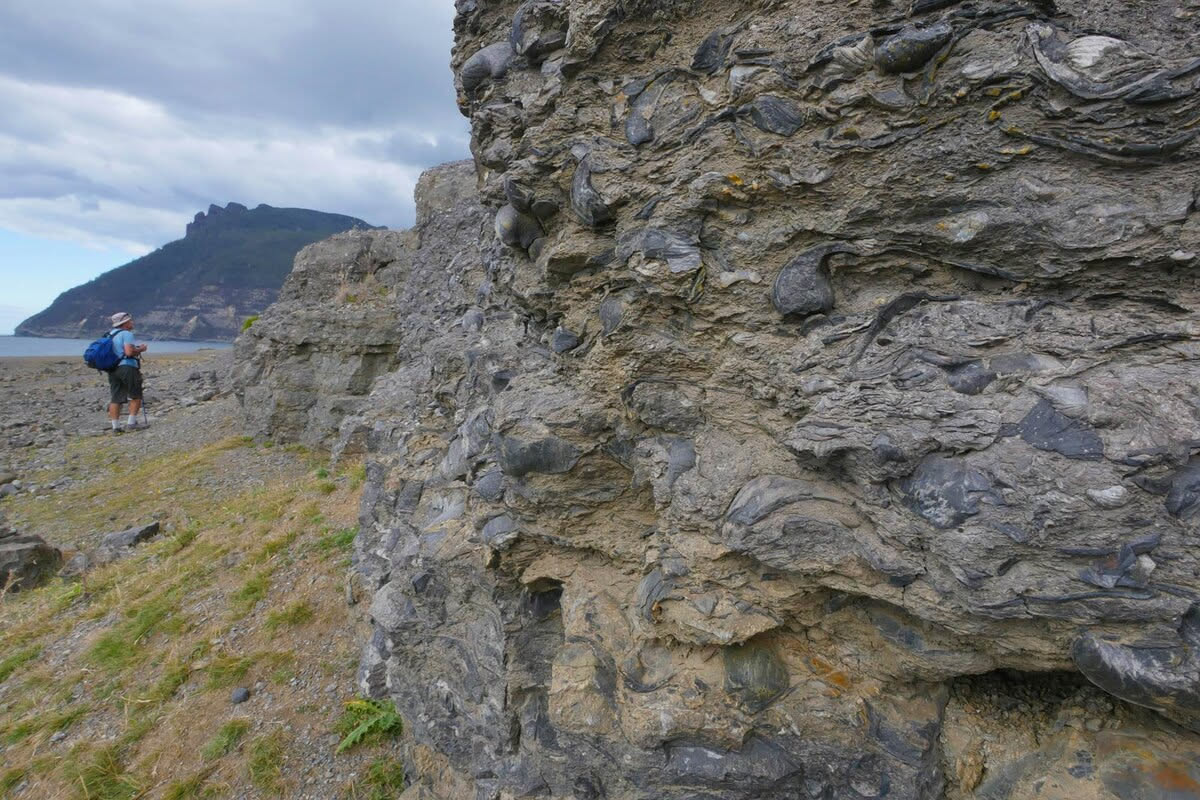
This walk leads to the stunning Fossil Cliffs, offering a glimpse into ancient history with its fossil-rich rock strata. The cliffs were once mined for cement due to their lime-rich composition. Bicycles are allowed on the track but not on the fossil platform.

Frenchs Farm Walk

Distance: 11 km one way

Duration: 3 hours

Grade: Difficult

Reach Frenchs Farm via the coast or inland track. Explore the old farmhouse and shearing shed. From here, it's another hour to McRaes Isthmus with its beautiful beaches. The track can be sandy and slow for bicycles.

Hills Walk

Distance: 2 km return

Duration: 1-2 hours

Grade: Difficult

Discover the hills surrounding Darlington Settlement, exploring ruins such as the Convict Hospital and Grand Hotel. Enjoy views of Darlington Township and Bay. Ensure you have enough time to catch the ferry back to Triabunna.

Mount Maria Walk

Distance: 16 km return

Duration: 8 hours

Grade: Difficult

Climb to the highest point on the island, Mount Maria, for sweeping views. The trail starts gently but requires scrambling over boulders near the summit. Adequate clothing, sturdy shoes, and supplies are essential for this demanding hike.

Discover the Painted Cliffs of Maria Island

Discover the Painted Cliffs of Maria Island

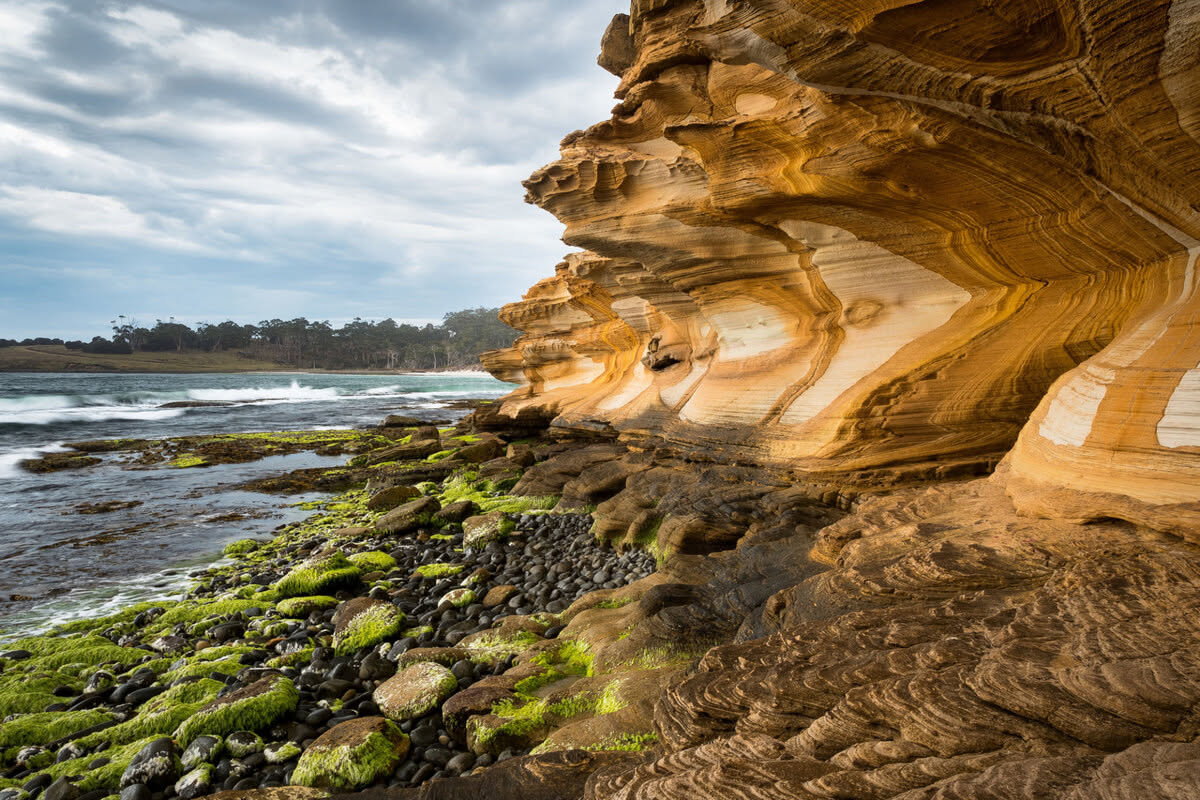
The Painted Cliffs on Maria Island are a stunning natural attraction with colorful sandstone formations. They are best viewed at low tide for an up-close experience.

The Painted Cliffs are one of the most photographed natural wonders on Maria Island. These sandstone formations, located just a short walk from Darlington, display a swirling canvas of gold, orange, and cream. Carved by nature over thousands of years, they glow beautifully in the afternoon light, offering a glimpse of Tasmania’s raw coastal beauty.

A Geological Work of Art

The striking patterns on the cliffs are created by mineral-rich water that once seeped through the rock. This process left behind colorful bands and honeycomb textures. Every angle of the cliffs reveals new details such as ripples, waves, and marbled layers shaped by wind and tide.

Best Viewed at Low Tide

To explore the Painted Cliffs up close, timing your visit is important. At low tide, visitors can walk along the rock platform and admire the colors at eye level. During high tide, the waves often reach the base of the cliffs, so checking tide charts is recommended for the best experience.

A Photographer’s Dream

Whether you're a casual holiday snapper or a serious photographer, the Painted Cliffs provide endless creative possibilities. The colors intensify in the late afternoon, and the contrast between the cliffs and the turquoise water makes for unforgettable images.

Why Visitors Love It

  1. Easy walk from Darlington
  2. Unique geological formations found nowhere else in Tasmania
  3. Perfect for families, nature lovers, and photographers
  4. A must-see highlight on any Maria Island itinerary

Getting There

To visit the Painted Cliffs, you will first need to reach Maria Island. The island is accessible by ferry from Triabunna, a small town on Tasmania's east coast. Once you arrive on the island, the Painted Cliffs are just a short walk from the main settlement of Darlington. Make sure to check the ferry schedule and tide charts to plan your visit accordingly.

View the Fossil Cliffs on Maria Island

View the Fossil Cliffs on Maria Island

Discover the ancient fossils embedded in the cliffs of Maria Island, a unique geological site in Tasmania.

The Fossil Cliffs on Maria Island are a fascinating natural attraction that offers a glimpse into the Earth's distant past. Located on Maria Island, these cliffs are renowned for their rich fossil deposits, including clams, sea fans, corals, scallop shells, and sea lilies, which date back around 300 million years. The cliffs are composed of lime-rich sedimentary rocks, which were once mined for cement production. Visitors can enjoy a short walk from the Darlington Settlement to the cliffs, where they can explore the rock strata and observe the fossils up close.

Getting There

To visit the Fossil Cliffs, you need to take a passenger ferry from Triabunna to Maria Island. The ferry ride takes approximately 45 minutes and arrives at Darlington, the starting point for the walk to the cliffs. It is important to book your ferry tickets in advance, especially during peak times, as passenger numbers are limited. Once on the island, you can explore on foot or by bike, as there is no vehicle access. Remember to bring all necessary supplies, as there are no shops or cafes on the island.

Darlington, Maria Island National Park

Darlington, Maria Island National Park

Discover the camping experience at Darlington on Maria Island, a spot with historical significance and natural beauty. Enjoy activities like cycling, swimming, and exploring the World Heritage Area.

Location and Access

Darlington campground is located on Maria Island, Tasmania, behind the dunes on Darlington Bay Beach. Access to the island is via a passenger ferry from Triabunna, which takes about 45 minutes. There is no vehicle access on the island, so visitors can explore on foot or by bike.

Camping Facilities

The campground is suitable for tent camping and offers amenities such as toilets and a covered barbecue area with fireplaces and free gas barbecues. Please note that all water on the island is not potable and requires purification before use.

Activities

  1. Barbecues: Enjoy cooking in the designated barbecue areas.
  2. Cycling: Explore the island on the available cycling tracks.
  3. Snorkelling and Swimming: Take advantage of the nearby beach for water activities.
  4. Picnicking: Use the picnic facilities for a relaxing meal outdoors.

Important Information

Park entry fees are required and can be paid online or at the Maria Island Gateway. Camping fees are payable at the Gateway before boarding the ferry. Visitors should bring all necessary supplies as there are no shops on the island. Be prepared for construction works from December 2025 to November 2026, which may cause some noise and dust.

Contact Information

For more details, contact the Maria Island Gateway at Triabunna, TAS 7190, phone: 03 6123 4040, or email: [email protected].

Weather Guide for Visiting Maria Island

Weather Guide for Visiting Maria Island

Discover the seasonal weather conditions on Maria Island and learn what to pack for a comfortable visit.

Maria Island is known for its diverse landscapes and weather conditions, which can change drastically from one season to the next. It's important for visitors to be prepared for a range of conditions, including sun, rain, and wind, when exploring the island. This guide provides an overview of what to expect weather-wise for each season, as well as tips on what to wear to stay comfortable and protected.

Spring (September - November)

During spring, temperatures on Maria Island are moderate and range from 10°C to 20°C. This season can be quite variable, with sunny days interspersed with rainy spells. Be sure to pack a waterproof jacket, as well as light layers that can be easily removed as temperatures warm up.

Summer (December - February)

Summer is the warmest time of year on Maria Island, with temperatures averaging between 20°C and 25°C. While it can be hot during the day, the weather can cool down in the evenings, so it's a good idea to bring along a light sweater or jacket. Pack plenty of sunscreen and a hat, as well as comfortable, breathable clothing, as you will likely spend a lot of time outdoors exploring the island.

Autumn (March - May)

Autumn on Maria Island is marked by cooler temperatures and changing leaves. Temperatures average between 10°C and 15°C, and it can be quite windy at times. Pack a waterproof jacket, warm layers, and a hat to protect yourself from the elements.

Winter (June - August)

Winter on Maria Island is cold, with temperatures ranging from 5°C to 10°C. Snow and frost can occur on the island, particularly at higher elevations, so be sure to pack warm layers, a hat, and gloves. A waterproof jacket and sturdy footwear are also essential, as the trails can be slippery when wet.

Remember, it's always a good idea to check the weather forecast before heading out on your trip, and to pack extra clothing and gear as necessary. Whether you're exploring the stunning landscapes, wildlife-watching, or simply enjoying the peace and quiet of the island, being prepared for the weather will help ensure a safe and comfortable experience.

Ask us anything

Not sure which tour suits you? Send us a note and a local team member will help.